Cognitive Biases Shaping Number Choices on Roulette Wheels Among Regular Players
Written by Morgan Perry · Jul 13, 2026
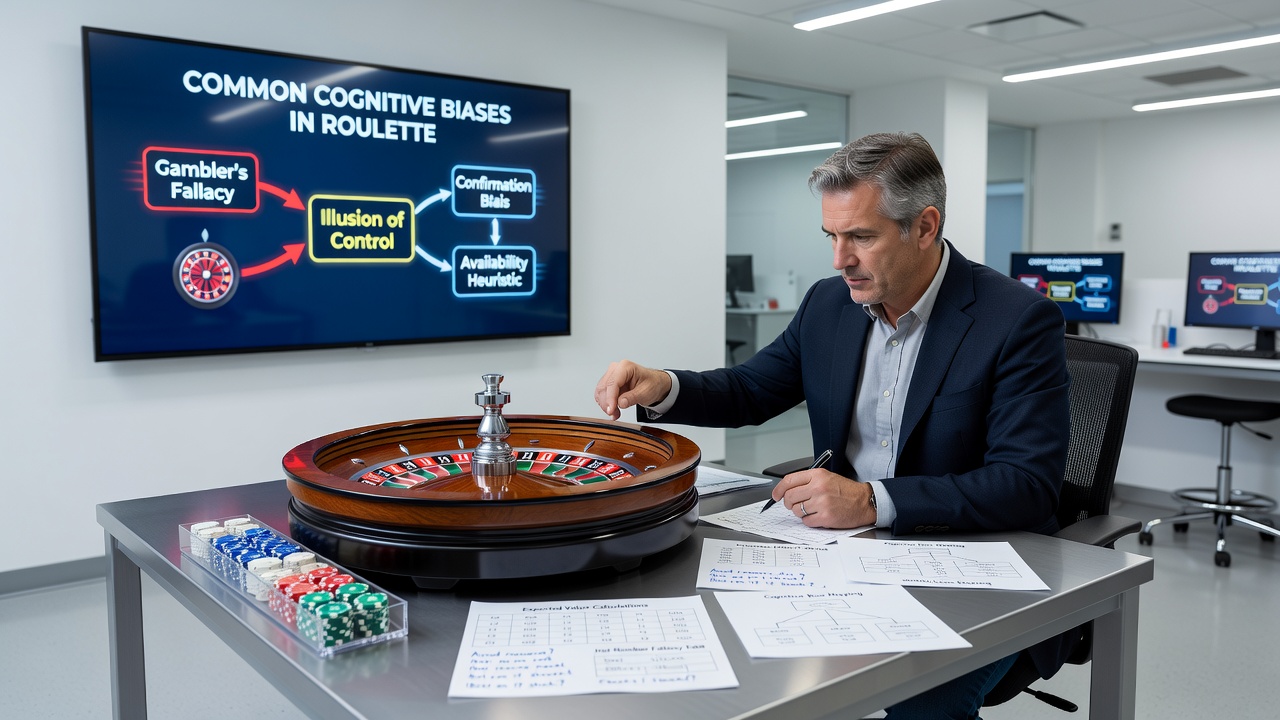
Cognitive Biases Shaping Number Choices on Roulette Wheels Among Regular Players
Regular roulette players often select bets based on recent outcomes, yet research from behavioral economics demonstrates that several cognitive biases drive these decisions in predictable ways. Data from multiple studies indicate that individuals who play frequently tend to perceive patterns where none exist in truly random sequences, leading to repeated selections of certain numbers or colors after observed streaks.
The gambler's fallacy stands out as one prominent bias in this context. Observers note that players frequently expect a reversal after a series of red outcomes, so they shift bets to black even though each spin remains independent. Studies conducted across European casinos reveal this pattern holds steady among participants with more than fifty sessions per year, while figures from laboratory experiments confirm the same tendency when subjects review historical spin data.
Common Biases Observed in Roulette Environments
Another bias frequently documented involves the hot hand effect, where frequent players believe certain numbers or sections of the wheel become "due" after appearing multiple times in succession. Research indicates that this perception leads to concentrated bets on those numbers despite the wheel's fixed probabilities. In one analysis of casino records from Nevada facilities, researchers found that bets on recently repeated numbers increased by approximately twenty-three percent among habitual players compared with occasional visitors.
Illusion of control also surfaces regularly. Those who've studied player behavior report that many regular participants choose their own numbers rather than using random generators because they feel personal selection grants an edge. Evidence from controlled trials shows this belief persists even when participants receive clear explanations that the roulette wheel operates mechanically without influence from prior choices.
Data Patterns Across Player Groups
Longitudinal tracking of player accounts at several international casinos highlights consistent trends. Frequent players exhibit stronger adherence to these biases than newcomers, with selection clusters forming around perceived streaks that span five to ten spins. Australian regulatory reports from 2025 documented similar clustering in online roulette sessions, where bet logs revealed elevated wagering on numbers following short runs of the same outcome.
What's interesting emerges when examining session length. Data shows that as play extends beyond two hours, the intensity of biased selections often rises, particularly among those logging more than one hundred hours annually. This pattern aligns with findings from North American university labs that link prolonged exposure to reinforcement of false pattern recognition.

July 2026 brings scheduled releases from several research consortia examining these same dynamics through expanded datasets collected from both land-based and digital platforms. Preliminary outlines released by Canadian research institutes suggest updated models will incorporate real-time tracking of bet adjustments following specific wheel outcomes, offering further granularity on how biases manifest across different player demographics.
Regional Studies and Supporting Evidence
Analyses from the Nevada Gaming Control Board archives demonstrate measurable differences in betting distributions after sequences of identical results. European academic papers published through university partnerships in Germany have replicated these observations using simulated wheels, confirming that frequent players adjust selections more dramatically than control groups exposed to the same data without prior gambling experience.
Additional insights come from industry reports compiled by the Responsible Gambling Council in Canada, which examined transaction records and identified elevated repeat betting on numbers after short-term repetitions. These records span multiple years and include thousands of sessions, providing a broad view of how cognitive patterns translate into actual wagering behavior.
Implications for Player Decision Processes
Observers note that awareness programs in some jurisdictions now incorporate information about these biases to help players recognize when selections stem from pattern-seeking rather than probability calculations. Training modules developed in Australian venues present historical spin sequences alongside explanations of independence between outcomes, and attendance data indicates steady participation among regular visitors.
Yet the persistence of these biases remains notable. Even after exposure to educational materials, many players revert to streak-based selections within subsequent sessions, according to follow-up surveys conducted by independent research teams. This recurrence points to the deeply ingrained nature of the mental shortcuts involved in interpreting random events.
Conclusion
Overall, the examination of cognitive biases in roulette wheel selections among frequent players reveals consistent patterns supported by data from regulatory archives, academic studies, and industry tracking. These patterns center on expectations of reversals, clustering around recent outcomes, and perceptions of personal influence, all of which shape betting choices in measurable ways across different regions and platforms. Continued data collection through 2026 will likely refine understanding of how these biases evolve with extended play.