Expanded 2026 World Cup Fuels Hopes for Sportsbook Operators Facing Slower Growth
Written by Otto Hughes · Jun 24, 2026

Expanded 2026 World Cup Fuels Hopes for Sportsbook Operators Facing Slower Growth
Traditional sports betting has encountered a period of flattening expansion as competition intensifies from prediction markets and operators like FanDuel, DraftKings, and Fanatics look toward the expanded 2026 World Cup as a key driver for customer acquisition and increased handle across their platforms.
The Tournament Setup and Timing Factors
The 2026 edition stands out because it features 48 teams instead of the usual 32 and spreads matches across venues in the United States, Mexico, and Canada during the summer months when evening kickoffs align with prime-time viewing windows in major American markets. Observers note that these elements combine to create extended windows for wagering activity while the larger field lengthens the tournament and generates more games overall.
Because the schedule places many contests in the evening hours for U.S. audiences, platforms anticipate higher participation from bettors who prefer live and in-game options during convenient hours rather than midday or overnight slots.
Projected Wagering Volume in the United States
Figures cited for the U.S. market show expected handle reaching $4.4 billion during the 2026 tournament, a notable increase from the $1.8 billion recorded in 2022 when the event took place in Qatar. Data indicates the jump stems from the combination of more matches, favorable timing, and the fact that hosting duties across North America remove certain travel and time-zone barriers that previously limited engagement.
Those projections come amid broader industry reports showing traditional sports betting growth has slowed in recent periods while prediction-market platforms capture a growing share of user attention and capital.
Operator Strategies for Customer Growth
Companies such as FanDuel, DraftKings, and Fanatics have positioned the upcoming tournament as a central focus for promotional campaigns and product development aimed at both retaining existing users and attracting new ones during a phase when organic expansion has become more challenging. The expanded format and domestic hosting arrangement provide operators with extended promotional narratives around national teams and regional storylines that can sustain interest across multiple weeks.
Industry participants point out that the summer schedule allows for integration with other seasonal betting categories, creating cross-promotional opportunities that could boost overall platform activity beyond soccer alone.
Market Context and Competitive Pressures
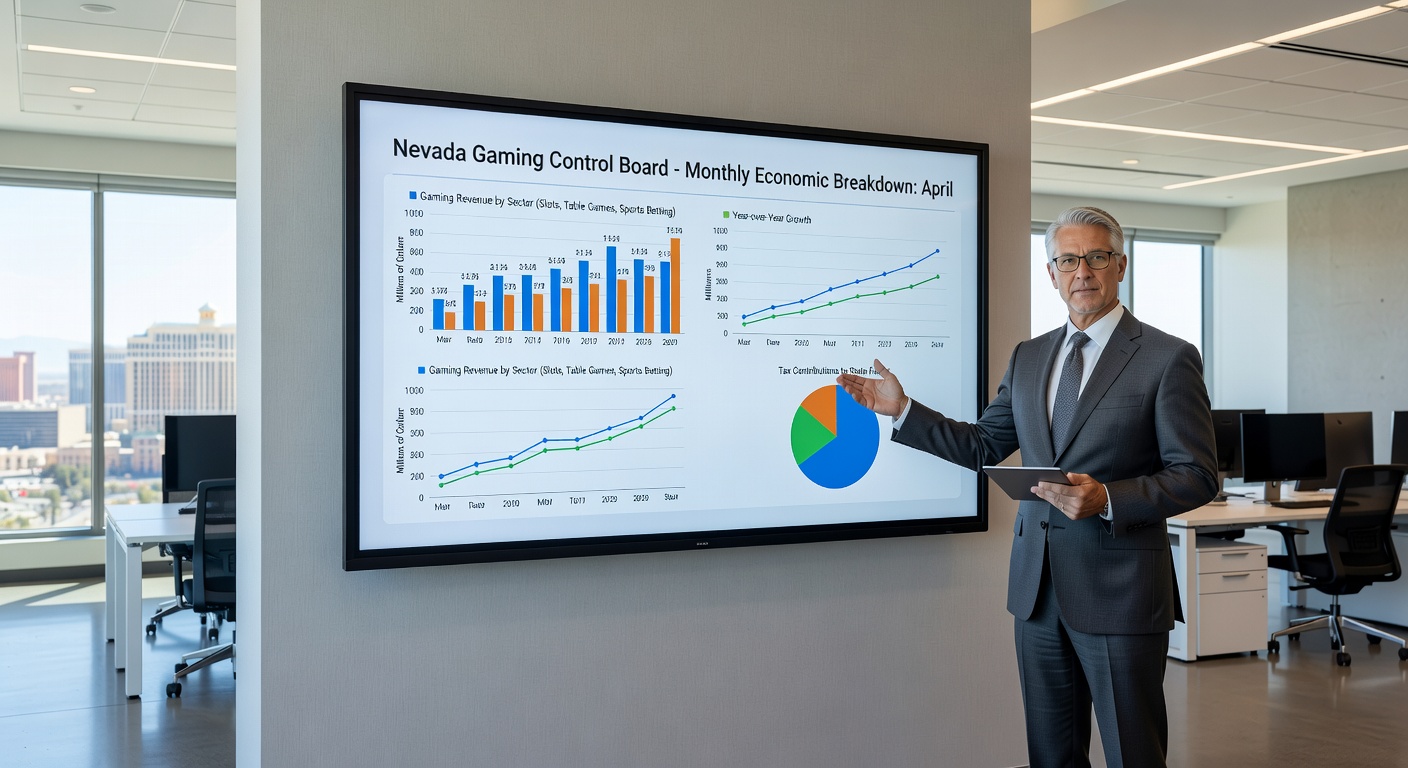
While sportsbooks continue to expand their offerings in states where betting has been legalized, recent data reveals that year-over-year growth rates have moderated compared with the rapid increases seen immediately after legalization waves. Prediction markets, which operate under different regulatory frameworks in some cases, have drawn users seeking alternative forms of event-based wagering and have contributed to the slower pace observed in conventional sportsbooks.
Against this backdrop the 2026 World Cup represents one of the clearest near-term catalysts available to operators seeking to accelerate handle and registration numbers before the next cycle of major sporting events.
Anticipated Effects on Platform Activity
Because the tournament spans multiple host countries and features matches at various times throughout the day and evening, platforms expect elevated mobile engagement as users follow results across different time zones without the extreme offsets that affected previous editions. The larger number of participating teams also increases the pool of potential storylines that can drive betting interest from casual fans who might otherwise limit activity to later knockout stages.
Operators have begun aligning marketing calendars around key qualification announcements and venue selections to build anticipation well in advance of the June 2026 start date, when the first matches are scheduled to kick off across North American stadiums.
Conclusion
The combination of an expanded field, favorable domestic timing, and prime-time scheduling has led operators to view the 2026 World Cup as a significant opportunity to counteract recent flattening trends in traditional sports betting. Projections placing U.S. handle at $4.4 billion underscore the scale of expected activity relative to the 2022 tournament, while the presence of competition from prediction markets highlights why companies such as FanDuel, DraftKings, and Fanatics are focusing resources on this event for customer acquisition and sustained platform volume. According to reporting from The New York Times, these dynamics are already shaping strategic planning across the industry ahead of the tournament.