Intersecting Realms of Slot Payout Algorithms and Cross-Border Regulations in Session Planning
Written by Morgan Perry · Aug 12, 2026
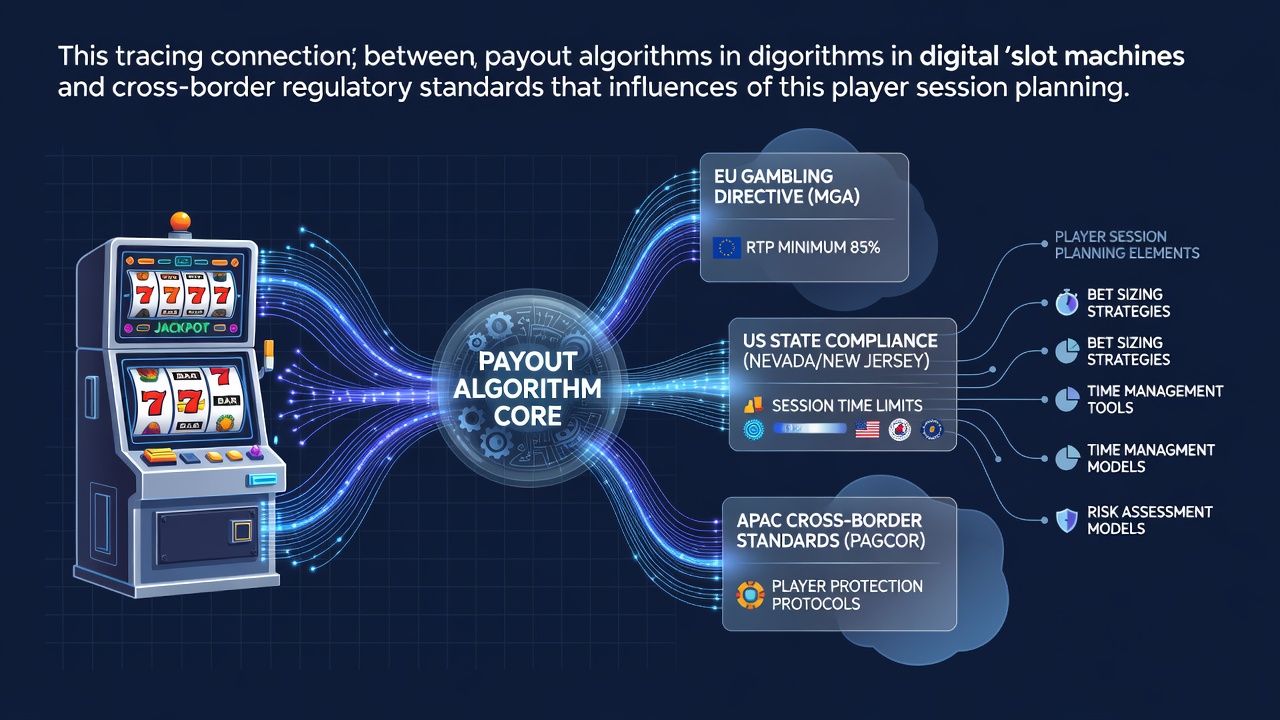
Intersecting Realms of Slot Payout Algorithms and Cross-Border Regulations in Session Planning
Digital slot machines operate through complex payout algorithms that calculate random outcomes while maintaining predetermined return-to-player percentages, and these systems face scrutiny from regulatory frameworks that differ sharply across jurisdictions so operators must adapt their software configurations to meet local disclosure and fairness requirements which directly influences how players structure their time and budgets during sessions. Researchers at various academic institutions have mapped these algorithms using statistical models that track hit frequencies and variance patterns, while data from industry reports shows that cross-border standards often mandate specific testing protocols for random number generators before any game reaches the market.
Core Mechanics of Payout Algorithms in Digital Slots
Algorithms in modern slots rely on certified random number generators that produce thousands of results per second, and these mechanisms embed fixed return-to-player ratios that operators must verify through independent labs so that each jurisdiction can enforce transparency rules about those ratios. Observers note that volatility settings within the algorithms determine how frequently larger wins occur versus smaller incremental returns, and regulatory bodies in multiple regions require clear labeling of these volatility levels to help players anticipate session length before they begin play. Studies from research centers indicate that when algorithms adjust payout frequencies to comply with regional caps on maximum bets or jackpot sizes, the resulting session dynamics shift because players encounter different risk profiles than they might in less restrictive markets.
Cross-Border Regulatory Standards and Their Reach
Regulatory standards travel across borders through mutual recognition agreements and licensing reciprocity that several countries have established, yet each authority still imposes unique constraints on payout disclosures and session monitoring tools. For instance, authorities in Australia require operators to integrate reality-check prompts at set intervals that algorithms must trigger automatically, and similar provisions appear in Canadian provincial frameworks where session timers link directly to payout reporting systems. Data from the Australian Gambling Research Centre reveals that such rules emerged partly from studies linking extended play sessions to specific algorithmic payout patterns, and the European Gaming and Betting Association has published analyses showing how these standards reduce average session durations when enforced consistently.
Meanwhile, updates scheduled for August 2026 in several multilateral regulatory alignments will introduce standardized audit trails for algorithm changes that cross multiple licensing territories, and operators are already adjusting their backend systems to log every parameter tweak in ways that satisfy all participating jurisdictions simultaneously. Those adjustments mean that session planning tools offered to players, such as budget calculators or time-limit selectors, must now pull real-time data from the same algorithmic core that regulators monitor across borders.

How Algorithmic and Regulatory Elements Shape Session Planning
Players often consult in-game information panels that display theoretical payout percentages and volatility ratings before committing funds, and regulatory mandates in many markets require these panels to update dynamically when operators deploy jurisdiction-specific algorithm variants. One study conducted across European and North American markets found that when regulations cap the maximum single-bet multiplier allowed by an algorithm, players respond by extending session times to chase equivalent returns through smaller repeated wagers. Session-planning applications now incorporate these regulatory caps into their projections because the underlying algorithms cannot exceed the limits without violating licensing terms that span several countries.
Take the case where experts examined data from operators licensed in both Malta and the Isle of Man, and they observed that identical base algorithms receive different volatility modifiers to satisfy each regulator's responsible-gaming thresholds, which then alters how long an average session lasts before players reach self-imposed loss limits. Those modifications propagate into player-facing dashboards that forecast remaining playtime, and the dashboards must reconcile conflicting standards from each territory so that the displayed estimates remain accurate regardless of where the player logs in.
Practical Implications for Operators and Players
Operators maintain separate algorithm profiles for each regulated market and switch between them based on player location data, and this practice stems directly from cross-border rules that prohibit the use of a single global configuration when payout parameters conflict. Research indicates that such switching mechanisms require robust logging systems that regulators can audit in real time, and the logs in turn feed into the session-planning features that many platforms now provide. Players who review these features receive guidance calibrated to the strictest applicable standard, which can result in shorter recommended sessions even when the local rules would permit longer play.
Figures from regulatory filings show that jurisdictions sharing data through information-exchange agreements detect algorithmic deviations more quickly, and this shared oversight has prompted operators to standardize their payout reporting formats so that compliance teams can satisfy multiple authorities without duplicating effort. The resulting uniformity helps players compare session projections across different sites because the underlying calculations rest on the same verified data points.
Conclusion
The connections between digital slot payout algorithms and cross-border regulatory standards continue to tighten as licensing bodies coordinate their oversight practices, and these linkages determine the parameters within which players can plan sessions effectively. Regulatory updates planned for August 2026 will further embed algorithmic transparency requirements into international frameworks, while session-planning tools evolve to reflect the combined constraints from all relevant jurisdictions. Observers tracking these developments note that the interplay produces more predictable yet jurisdiction-specific play environments that both operators and players must navigate through accurate, regulation-aligned information.