Las Vegas Draws 329000 Visitors Over July Fourth Weekend
Written by Taylor Krause · Jul 6, 2026

Las Vegas Draws 329000 Visitors Over July Fourth Weekend
Las Vegas recorded 329000 visitors during the July Fourth weekend while hotels achieved an 88 percent occupancy rate according to figures released by the Las Vegas Convention and Visitors Authority. Those numbers represent an increase from the 310000 visitors and 85.7 percent occupancy posted in the corresponding period the previous year. The same data set placed the estimated economic impact at 690.6 million dollars which marked a 5.8 percent year-over-year gain yet remained beneath the low-to-mid 90 percent occupancy levels that historically marked peak holiday periods.
Visitor Growth and Occupancy Trends
Observers note the visitor total climbed by roughly 19000 people compared with the prior year while the occupancy rate advanced 2.3 percentage points. The figures come directly from the LVCVA weekend visitation and occupancy report and reflect activity across the Las Vegas Strip as well as surrounding resort corridors. Although the improvement signals renewed momentum the overall occupancy still sits below the range that typically signals full recovery from earlier downturns.
Economic Impact Breakdown
The 690.6 million dollar economic impact figure encompasses spending on lodging gaming dining transportation and entertainment during the four-day span. Data shows the 5.8 percent rise in total impact stems from both higher visitor volume and increased per-visitor expenditure in several categories. Gaming revenue and convention attendance both posted gains during the same window which analysts tie to the broader summer recovery pattern now unfolding along the Strip.
Context Within Seasonal Patterns
July Fourth traditionally ranks among the stronger holiday periods for Southern Nevada tourism yet the most recent numbers illustrate a measured rather than robust rebound. Historical benchmarks placed occupancy in the low-to-mid 90s during comparable weekends before the pandemic yet current readings remain several points lower. The gap narrows when measured against the immediate prior year however which suggests incremental progress rather than a sudden surge back to pre-2020 peaks.
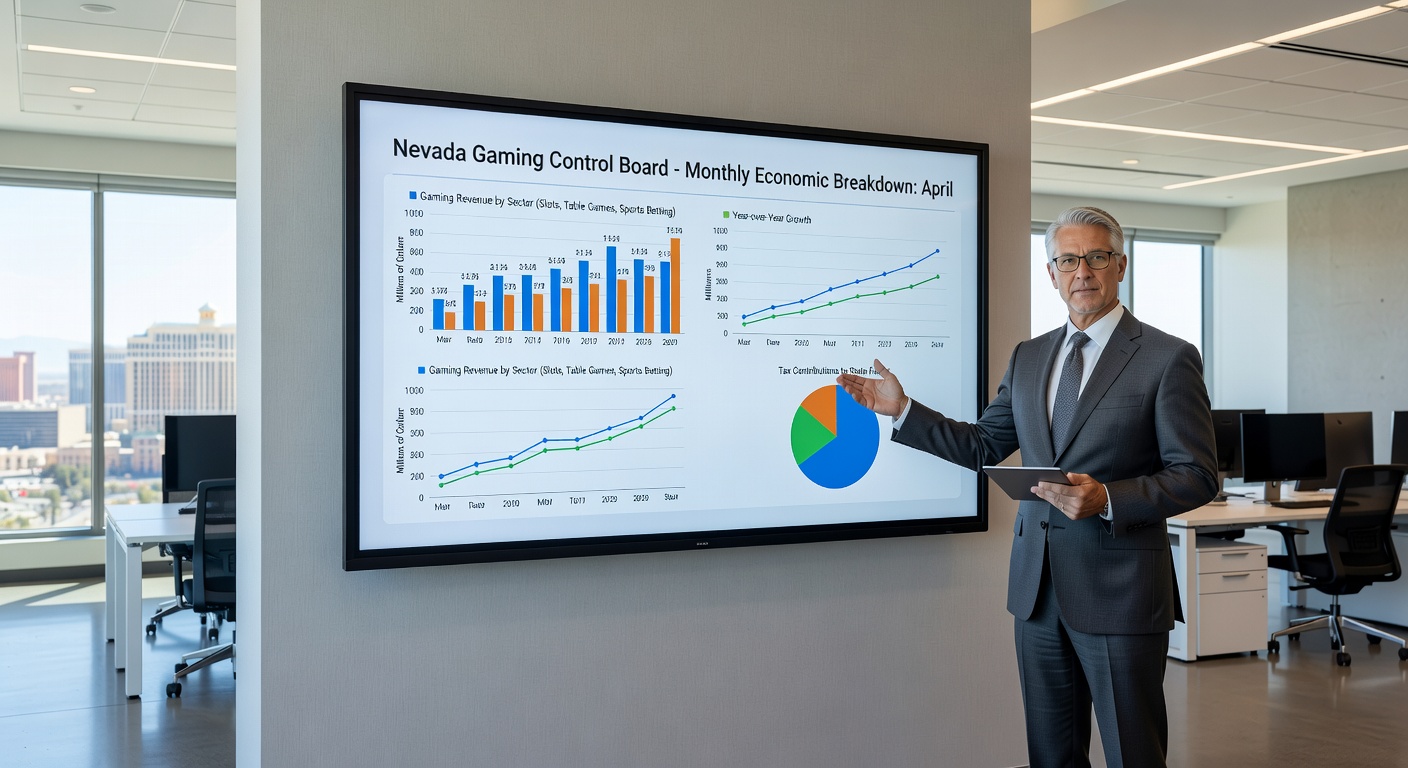
Those who track monthly reports note that convention attendance contributed to the uptick while gaming revenue growth supplied an additional lift. The combination produced the observed visitor and occupancy gains without pushing metrics all the way back to historical highs. The pattern aligns with statements from the LVCVA that summer travel is stabilizing after several uneven quarters.
Looking Ahead to 2026
With the current data in hand planners already project similar holiday windows in July 2026. Early indicators point to continued emphasis on conventions and special events that can supplement leisure travel during the summer stretch. If occupancy trends hold the destination may close the remaining distance to the low-to-mid 90 percent range within the next two seasonal cycles.
Conclusion
The July Fourth weekend results supply a clear snapshot of where Las Vegas stands in its recovery trajectory. Visitor counts rose occupancy improved and economic impact increased all within a single four-day period. While the numbers have not yet matched pre-pandemic peaks they demonstrate consistent forward movement supported by gaming revenue and convention activity. The LVCVA report therefore serves as a factual benchmark for evaluating progress over the coming months.