Mapping Regulatory Compliance to Probability Methods in Diverse Digital Gaming Platforms
Written by Morgan Perry · Aug 5, 2026
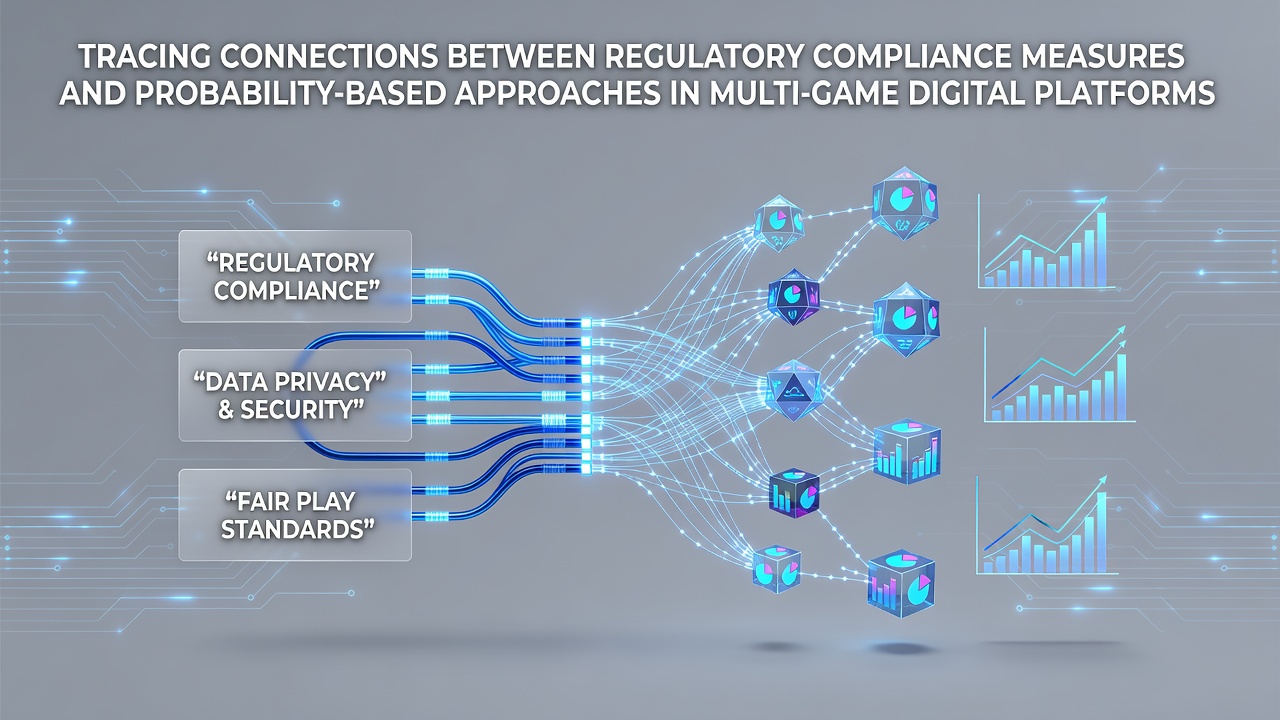
Mapping Regulatory Compliance to Probability Methods in Diverse Digital Gaming Platforms
Multi-game digital platforms operate under layers of regulatory oversight that directly influence how probability calculations shape game design and operation, and researchers continue to examine these intersections through detailed studies of compliance frameworks across regions. Data from industry reports indicate that standards for random number generators, return-to-player percentages, and fairness testing form core requirements that platforms must meet before launching or updating multiple game offerings simultaneously.
Regulatory Structures in Multi-Game Environments
Authorities in various jurisdictions enforce rules that require independent verification of probabilistic outcomes, and these measures apply particularly to platforms hosting slots, table games, and live dealer options under one roof. Observers note that such rules emerged from efforts to maintain consistent player protections while accommodating the technical complexity of systems running dozens of titles at once, and figures from regulatory filings show increased scrutiny on integrated RNG systems that serve multiple game types without introducing bias across sessions.
Platforms must submit detailed documentation demonstrating that each game adheres to specified probability distributions, yet the shared infrastructure creates additional layers where one RNG seed or algorithm serves varied mechanics. This setup prompts compliance teams to conduct cross-game audits that verify uniformity, and data from testing laboratories reveal that failures in one module can trigger reviews of the entire platform suite.
Probability Models Under Compliance Scrutiny
Probability-based approaches rely on mathematical modeling to predict long-term outcomes, and regulators incorporate these models into approval processes by mandating statistical simulations that cover millions of simulated plays. Experts have observed that requirements often specify confidence intervals for payout rates, forcing developers to adjust parameters until results align with approved thresholds across all hosted games. What's interesting is how these demands extend beyond single titles to encompass interactions between games when players switch rapidly within the same session.
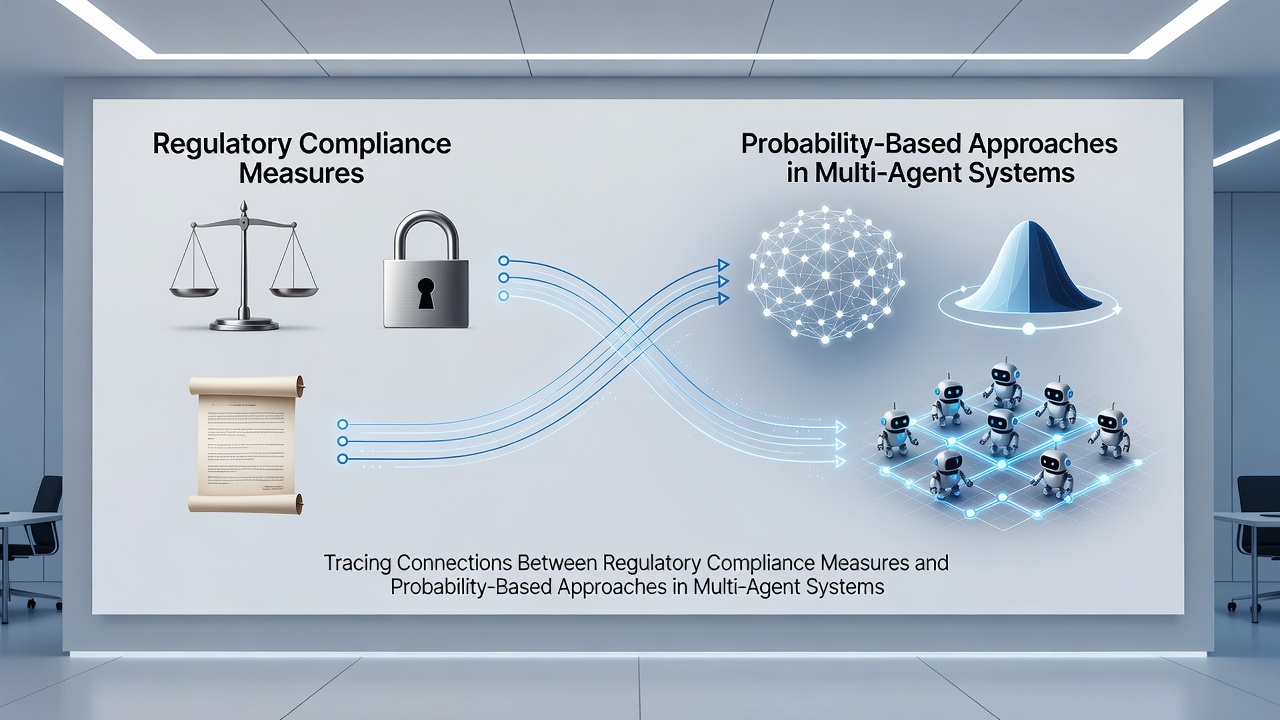
Studies conducted by academic institutions demonstrate that variance calculations play a central role in compliance reporting, because regulators seek evidence that short-term fluctuations remain within acceptable bounds even when multiple games draw from shared resources. One analysis released in early 2025 highlighted platforms that recalibrated their probability engines after audits flagged discrepancies in combined RTP metrics, and similar patterns appear in ongoing reviews scheduled through August 2026.
Integration Points Between Compliance and Statistical Methods
Connections become evident when platforms implement real-time monitoring tools that feed probability data directly into compliance dashboards, allowing continuous assessment rather than periodic checks alone. Government agencies such as the New Jersey Division of Gaming Enforcement have published guidelines that tie approval timelines to the robustness of these integrated models, and industry associations report that platforms adopting unified probability frameworks experience smoother certification cycles. Yet the reality is that scaling these systems across global operations introduces variables where regional rules diverge on acceptable testing methodologies.
Take one case where a multi-game operator adjusted its core algorithms after data indicated uneven distribution patterns when players moved between high-volatility and low-volatility titles, and subsequent reports confirmed restored compliance through refined seed management techniques. Researchers at various universities have documented similar adjustments, noting that probability recalibrations often serve dual purposes of meeting regulatory benchmarks while preserving operational efficiency.
Emerging Trends Through 2026
Developments anticipated by August 2026 include expanded use of machine learning to predict compliance risks based on historical probability outputs, and preliminary findings suggest these tools can flag potential issues before formal audits occur. Trade groups have compiled datasets showing that platforms investing in such predictive layers reduced audit remediation time by measurable percentages, and these trends align with broader shifts toward proactive rather than reactive oversight models.
Evidence suggests that cross-border platforms face particular challenges when aligning probability standards with differing national requirements, prompting some operators to maintain region-specific modules that still draw from centralized compliance reporting. This approach allows flexibility while preserving the core connections between regulatory mandates and statistical validation processes.
Conclusion
Tracing these connections reveals structured dependencies where regulatory compliance measures shape the application of probability-based approaches throughout multi-game digital platforms, and available data continue to illustrate how testing protocols, audit requirements, and modeling techniques reinforce one another. Further examination by researchers and regulators alike will likely refine these intersections as platforms evolve and new statistical tools emerge.