Networked Progressive Jackpots: Understanding the Systems Driving Linked Slot Prizes
Written by Taylor Krause · Jun 15, 2026
Networked Progressive Jackpots: Understanding the Systems Driving Linked Slot Prizes
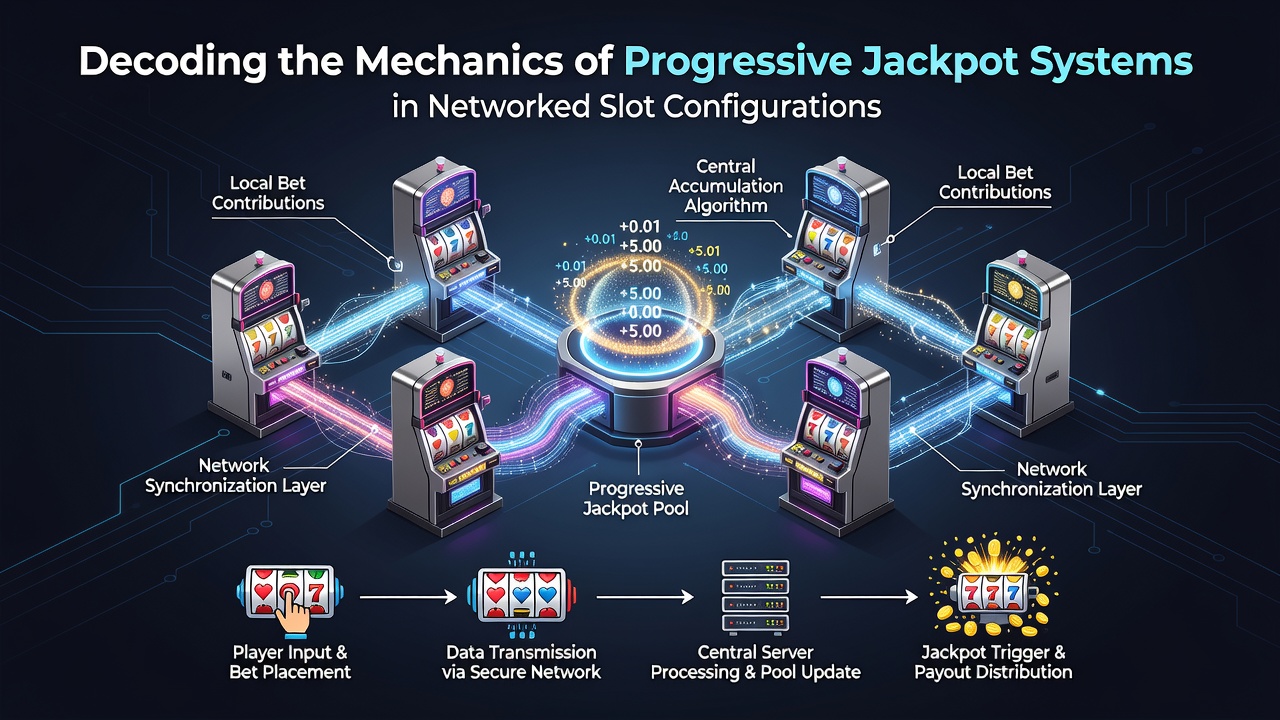
Networked progressive jackpot systems link multiple slot machines across casinos or even regions, allowing a single prize pool to grow from contributions on every eligible spin, and this setup creates the potential for multimillion-dollar payouts that standalone machines cannot match.
Core Components of Progressive Systems
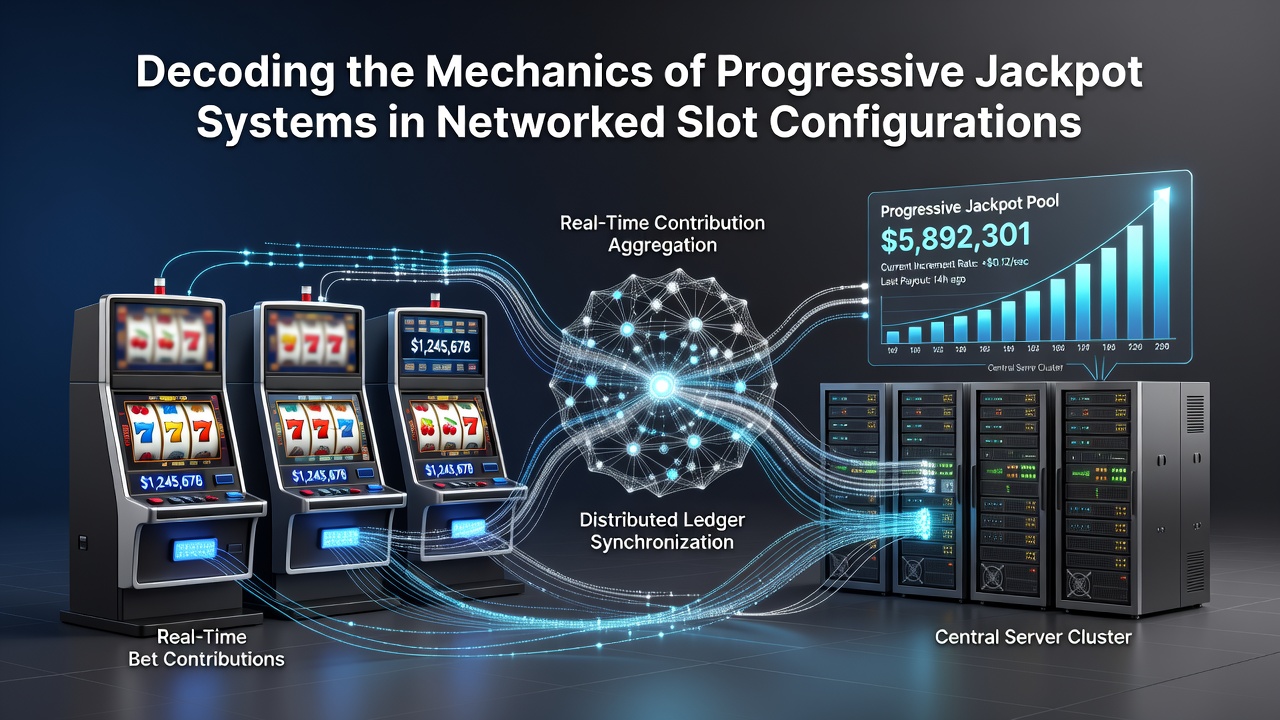
Each machine in a networked configuration allocates a small percentage of every wager to the jackpot pool, typically ranging from 0.5 to 3 percent depending on the game parameters set by the operator, while the remainder funds regular payouts and casino revenue. A base seed amount starts the pool after each jackpot hit, ensuring the prize never resets to zero and maintaining player interest across sessions.
Random number generators determine jackpot triggers independently of the base game outcomes, and these generators run continuously on dedicated servers that monitor contributions in real time. Software platforms track every eligible bet across connected terminals, updating the visible jackpot total on digital displays or overhead screens within seconds of each transaction.
Network Configurations and Connectivity
Wide area progressive networks connect machines from multiple casino properties through secure data lines, whereas local area networks limit participation to a single venue or casino floor. Wide area setups often involve third-party providers who manage the central system and distribute contributions according to pre-agreed formulas among participating operators.
Data shows that wide area progressives accounted for several record-breaking payouts in recent years, including one exceeding $40 million that occurred when linked machines operated across state lines under strict regulatory oversight. In June 2026, several North American jurisdictions implemented enhanced encryption standards for these networks to further secure transaction data between sites.
Contribution Mechanics and Prize Allocation
Contribution rates vary by jurisdiction and game type, yet most systems apply a fixed percentage that operators cannot alter once the network goes live. Some configurations use tiered jackpots where smaller secondary pools pay more frequently while the main pool continues accumulating toward larger sums. Observers note that these tiered structures help balance player engagement by delivering occasional wins alongside the rare major payouts.
Allocation formulas determine how much of each contribution reaches the jackpot versus covering operational costs and regulatory fees, and these formulas receive approval from oversight bodies before any network activates. Research from gaming laboratories indicates that transparent reporting of contribution percentages helps maintain system integrity across different regulatory environments.
Regulatory Oversight and Technical Standards
Agencies such as the Nevada Gaming Control Board require independent testing of random number generators and network software before licensing progressive systems for public play. Similar requirements exist through the Australian Communications and Media Authority for networks operating in that region, ensuring consistent technical compliance across borders.
Operators must maintain detailed logs of every contribution and payout, with periodic audits verifying that seed amounts and percentage allocations match approved parameters. These records also support responsible gaming measures that allow players to track their activity on linked terminals.
Examples from Current Networks
One prominent wide area progressive links thousands of machines across multiple states and has produced several eight-figure jackpots since its launch, with the prize pool growing at rates that reflect both machine volume and average bet sizes. Another regional network focuses on video reel games and resets its major pool at a guaranteed minimum that exceeds $1 million, drawing consistent participation from frequent players.
Case studies from gaming research institutions reveal that networks with higher machine counts tend to accumulate prizes faster, although the probability of any single spin triggering the jackpot remains extremely low regardless of pool size. Those who study these systems emphasize that the mathematics stay constant even as totals climb into the tens of millions.
Conclusion
Networked progressive jackpot systems operate through precise contribution mechanics, secure connectivity protocols, and regulatory frameworks that together enable large shared prize pools across linked slot configurations. Data from multiple jurisdictions continues to document both the technical reliability of these networks and their role in modern casino floors, while ongoing standards updates ensure continued compliance as technology evolves.