Regional Tax Structures and Player Migration Patterns in Regulated Online Gambling
Written by Carlo Baumann · Aug 26, 2026
Regional Tax Structures and Player Migration Patterns in Regulated Online Gambling
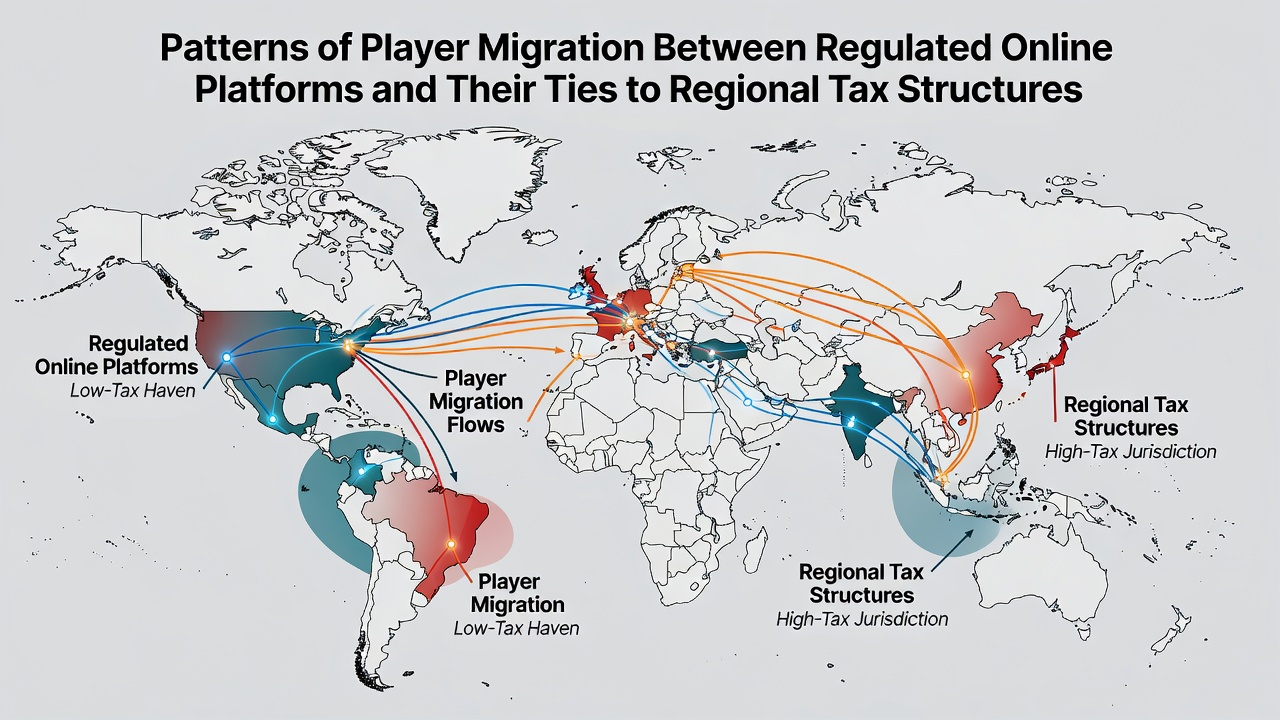
Player movement across regulated online platforms follows distinct patterns tied directly to variations in regional tax rates, licensing fees, and operator compliance costs, and data from multiple jurisdictions confirms that lower effective tax burdens often correlate with higher player retention and influx from higher-tax areas. Observers note that when jurisdictions impose taxes exceeding 20 percent on gross gaming revenue, operators respond by adjusting bonus structures and payout ratios, which in turn prompts users to seek platforms in more favorable tax environments where returns remain higher over extended sessions.
Documented Migration Trends Across Jurisdictions
Research from academic institutions and government statistical agencies reveals consistent flows, for instance between Canadian provinces and select European markets, where players shift toward operators based in regions with tax rates around 10 to 15 percent rather than those at 25 percent or above. These shifts occur because platforms in lower-tax zones maintain competitive edges through larger welcome packages and loyalty rewards, while players maintain accounts across multiple sites yet concentrate activity where net returns improve. Studies conducted by the University of Nevada Las Vegas International Gaming Institute tracked account activity data and found that cross-border logins increased by measurable percentages following tax policy adjustments in source jurisdictions.
Similar patterns appear in Asia-Pacific markets, where operators licensed under lighter tax regimes attract users from neighboring countries with stricter fiscal policies. Government reports indicate that players often maintain primary accounts in one jurisdiction while testing secondary platforms elsewhere, yet sustained activity gravitates toward locations where tax structures allow operators to allocate more revenue toward player promotions instead of government remittances.
Tax Policy Mechanisms Influencing Platform Selection
Tax structures affect migration through several direct channels, including operator licensing costs passed on via reduced promotional budgets and changes in withholding requirements that alter effective player returns. When regional authorities raise taxes, some platforms relocate server operations or relicense in neighboring zones with more stable fiscal policies, creating new options that draw existing users. Data released in August 2026 from cross-regional industry analyses showed accelerated account openings on platforms operating under 12 percent tax models following increases elsewhere, confirming the linkage between fiscal policy and user behavior without implying causation beyond observed correlations.
Examples from North America and Europe
Canadian federal and provincial frameworks demonstrate one clear case, where certain provinces maintain point-of-consumption taxes near 15 percent while others approach higher effective rates through combined levies. Players registered in higher-burden areas frequently open secondary accounts with operators licensed in lower-tax provinces, and activity data indicates longer session durations on those platforms. In parallel, European markets outside the United Kingdom show comparable dynamics, with operators in jurisdictions applying moderate rates drawing users from areas with elevated taxes that reduce available bonus pools.
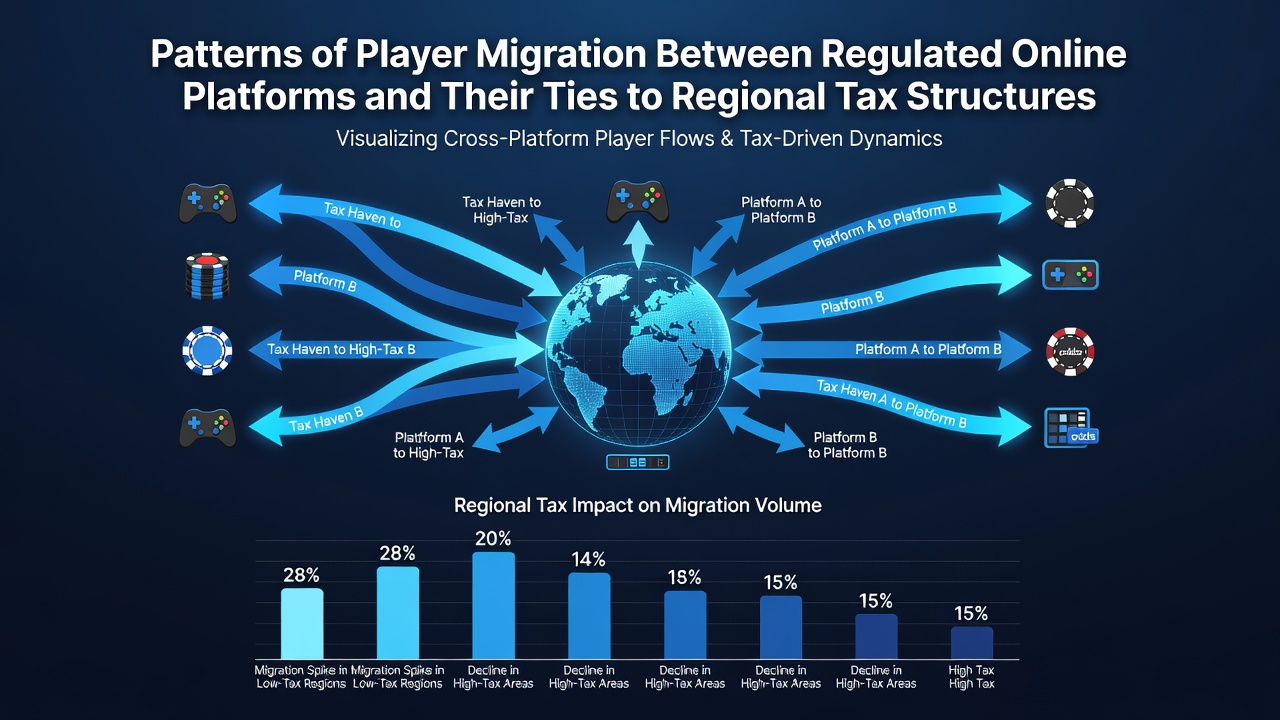
According to figures compiled by the Canada Revenue Agency, tax filings related to iGaming operators reflect higher reported player volumes in provinces with competitive rates, while parallel reporting from the European Commission documents similar redistribution of activity following tax harmonization debates in member states. These records demonstrate that migration remains fluid yet responsive to policy shifts, with users adapting accounts and deposit patterns accordingly.
Regulatory Adjustments and Future Stability
Regulators in multiple regions continue monitoring these flows to balance revenue collection against platform competitiveness. Some jurisdictions have introduced tiered tax systems that scale with operator size, aiming to retain local player bases without abrupt rate hikes that trigger outflows. Industry reports from 2026 highlight that stable tax environments correlate with steadier player retention metrics, whereas sudden policy changes produce temporary spikes in account migrations lasting several months before equilibrium returns.
Conclusion
Patterns of player migration between regulated online platforms remain closely linked to regional tax structures, as evidenced by account activity data, licensing trends, and cross-jurisdictional comparisons from North American, European, and Asia-Pacific sources. These movements reflect operator responses to fiscal policies that influence promotional capacity and player returns, creating observable shifts without requiring subjective interpretation of intent or preference. Continued tracking by government agencies and research bodies will clarify how evolving tax frameworks shape future platform distributions and user behaviors across regulated markets.