Variance Distribution Patterns Across Regulated Gaming Formats: Effects on Participation Duration
Written by Morgan Perry · Jul 27, 2026
Variance Distribution Patterns Across Regulated Gaming Formats: Effects on Participation Duration
Statistical variance in gaming outcomes measures the spread of results around expected values, and researchers track these patterns through data collected from licensed operators across multiple jurisdictions. Different formats exhibit distinct variance profiles because game mechanics, prize structures, and random number generators produce varied result distributions. Participation duration refers to the length of time individuals remain engaged in a single session, and evidence links variance levels to shifts in how long people continue playing before stopping.
Defining Variance Across Gaming Formats
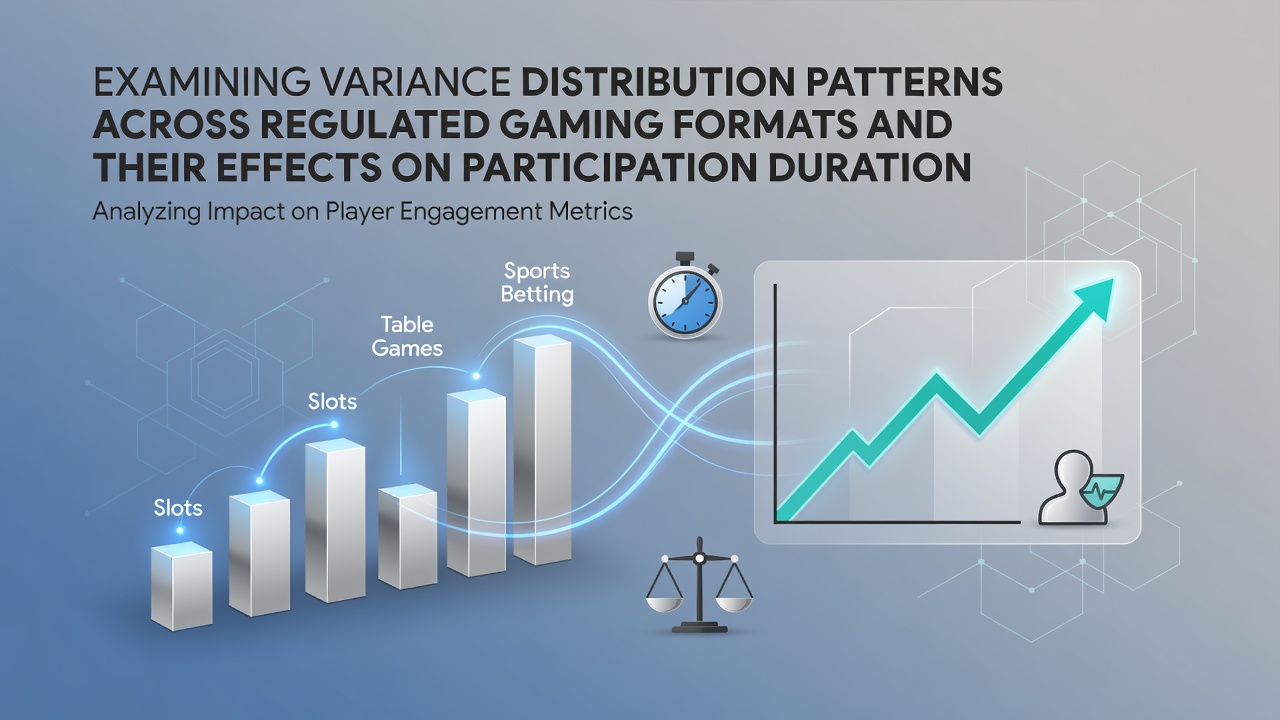
Regulated formats such as table games, electronic gaming machines, lotteries, and sports betting pools each generate outcome distributions shaped by their rules and payout schedules. Table games often show lower variance because fixed odds and repeated small wins cluster results near the mean. Electronic formats with progressive jackpots create higher variance tails where infrequent large payouts pull the distribution wider. Lottery draws produce extreme variance since most tickets yield zero returns while rare wins reach millions. Studies compiled by regulatory agencies document these differences through millions of recorded plays, allowing analysts to map probability curves for each category.
Data from the Nevada Gaming Control Board shows that variance calculations rely on historical return-to-player figures and hit frequencies. Operators submit monthly reports that feed into these models, and the resulting distributions help predict average session lengths under controlled conditions. Higher variance formats tend to produce more sessions that end quickly after a few large swings, whereas lower variance options sustain longer stretches of incremental activity.
Participation Duration Data by Format
Observational records from multiple markets indicate that variance influences when participants decide to stop. In low-variance environments, steady small returns encourage continued play because the balance changes gradually. High-variance environments create rapid balance shifts that prompt earlier exits once a threshold loss or gain occurs. A 2025 analysis of European operator data found average session lengths in low-variance table games exceeded those in high-variance jackpot machines by measurable margins, with the gap widening during peak hours.
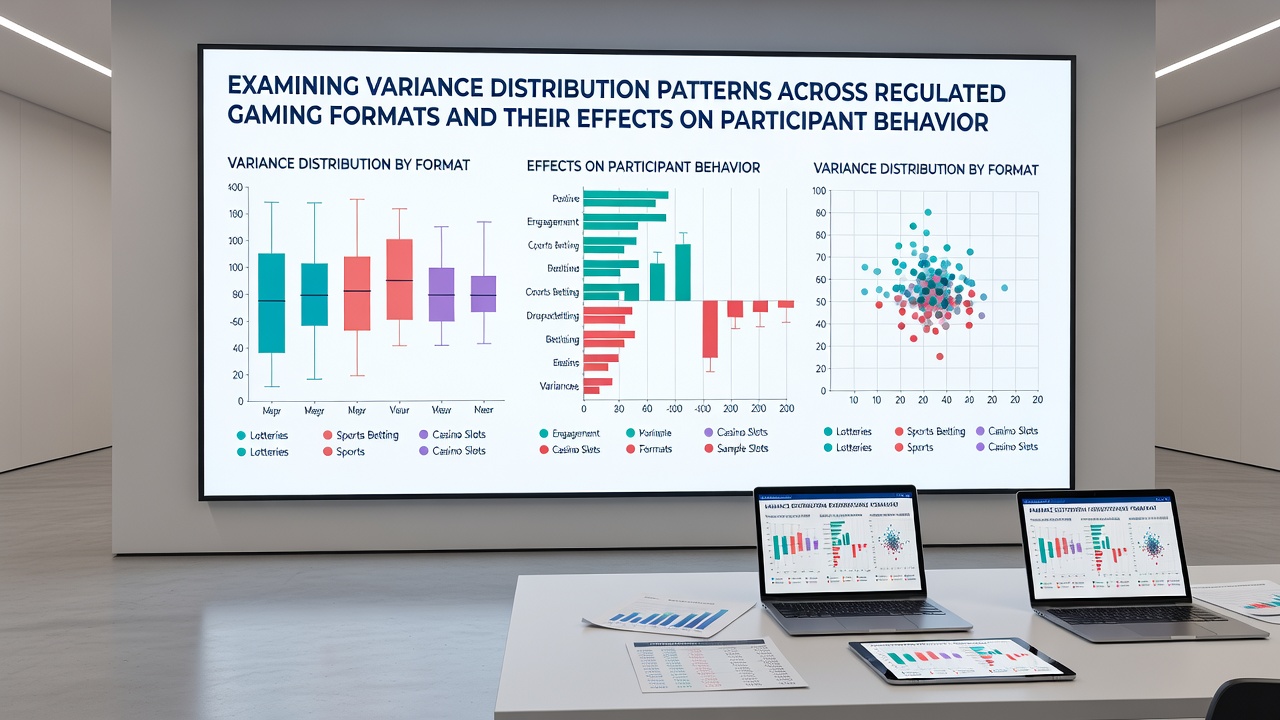
Canadian provincial reports compiled through 2025 and into July 2026 further separate formats by variance quartiles. Sports betting pools, which mix event outcomes with moderate variance, showed participation durations clustered around 45 to 70 minutes. Lottery ticket purchases registered the shortest durations, often under 10 minutes, consistent with their high-variance structure. Electronic formats fell between these extremes, with session lengths varying according to the specific jackpot configuration in use at each venue.
Regulatory Monitoring and Reporting Standards
Regulatory bodies require operators to maintain logs that capture both outcome variance and session timestamps. These records support compliance checks and feed into broader statistical reviews. In Australia, state gaming authorities publish annual summaries that correlate variance metrics with aggregate playtime figures. The resulting datasets allow comparison across years and formats without revealing individual player identities. European Union member states apply similar reporting frameworks under harmonized technical standards, producing comparable variance-to-duration statistics.
Analysts note that regulatory updates scheduled for release in July 2026 will expand the variables tracked in these reports. New fields will include time-stamped balance changes and format-specific variance indices, improving the granularity of future duration studies. Current evidence already demonstrates consistent patterns: formats with tighter result distributions sustain longer average participation periods, while those with broader distributions produce more variable session lengths.
Cross-Jurisdictional Comparisons
Comparisons between North American and European markets reveal similar variance effects despite differing regulatory details. A university-led review of anonymized transaction data confirmed that participation duration decreases as variance increases, holding other factors such as stake size constant. The relationship appears across electronic, table, and lottery formats, though the slope of the decline differs by category. Operators use these findings to calibrate game parameters within regulatory limits, adjusting hit frequencies and prize tiers to achieve target session profiles.
Industry research groups track these metrics through standardized reporting templates. Their aggregated findings show that moderate-variance formats occupy a middle ground where session lengths remain stable across diverse player populations. Extreme variance options generate the widest spread in duration outcomes, with some sessions lasting seconds and others extending far beyond average when early wins occur.
Conclusion
Variance distribution patterns in regulated gaming formats directly shape participation duration through measurable statistical relationships. Data collected by oversight agencies and research institutions across multiple regions document these connections consistently. As reporting standards evolve with the July 2026 updates, analysts will gain finer tools to examine how outcome spreads influence the length of individual sessions. These patterns remain central to understanding player behavior within licensed environments.